Thursday, 10 September 2015

Wellness Tools by Sarah Evans

The things I like to do are not only fun, but they help me to maintain my emotional wellness.

I like to go out and be with people, and the library is a great place for this. There are a variety of groups at the library. A couple of months ago, I started playing chess. I really enjoy it. I'm still learning how to play. Even though it can be difficult, I like the challenge and it helps me to develop my critical thinking skills.

It also helps to build community around myself. Ability Online is great for that. I also listen to a podcast called the Daily Audio Bible that gives me a real sense of community. Just like I take care of my physical health, it is very important that I do these things to stay happy and calm.

The Canadian Mental Health Association has some interesting facts about mental health in Canada. Check out this link: Fast Facts About Mental Health

Friday, 4 September 2015

Future Planning by Sarah Evans

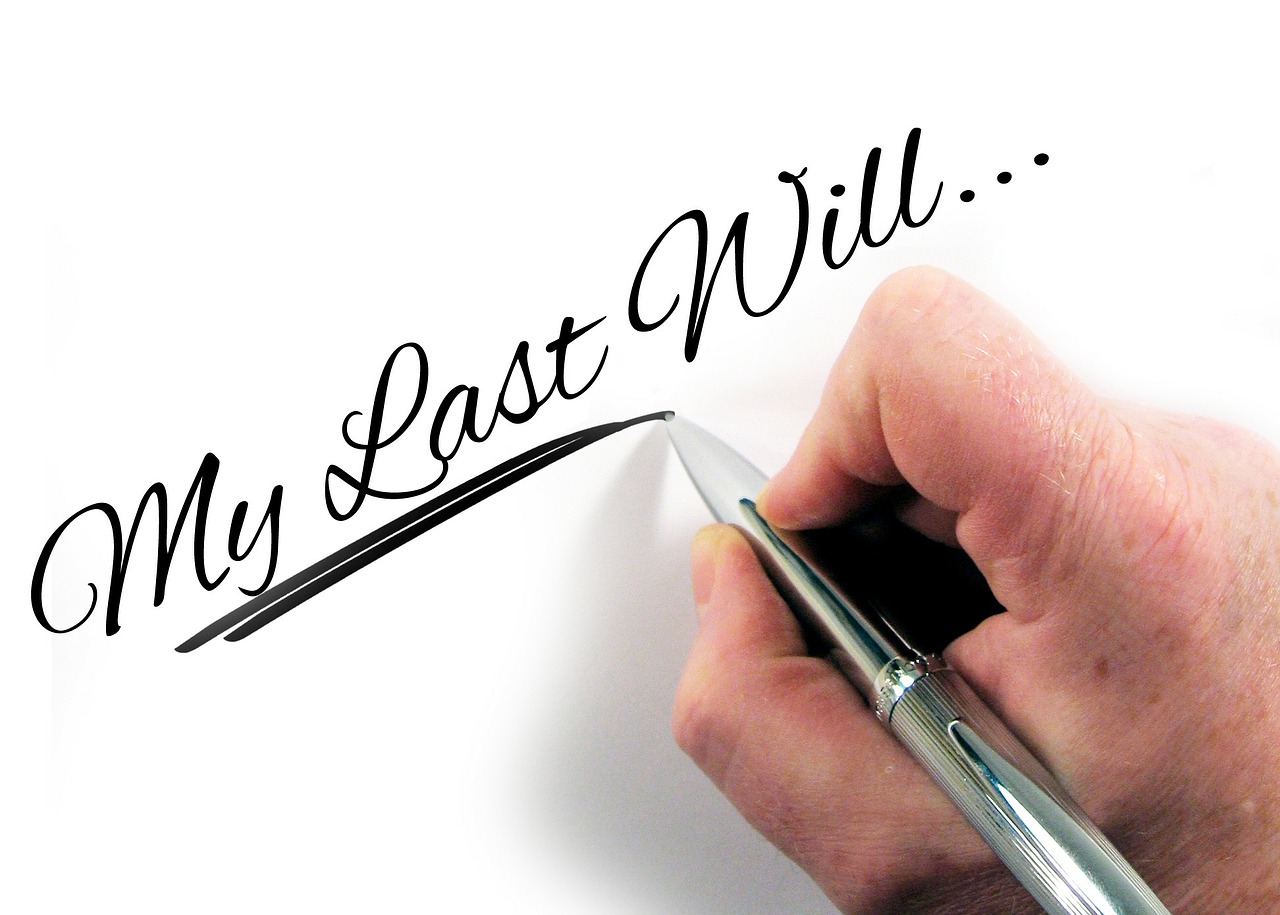
I recently started thinking about the future, especially in terms of finances. It started a few weeks ago when a relative who helps manage my affairs advised me to start thinking about putting together a will. I never even considered that I needed a will since I'm on ODSP. I always thought of my finances as simple and straightforward, yet thinking about it, I realized that I do have some assets.

Things got even stranger when I thought about who I would leave my assets to. I obviously don't have children and I don't plan on having them. I would leave money to the children of my brothers and sisters, but they don't have children yet either and I'm not sure whether or not they will. Thinking about this has been really strange. I know that preparing a will is the responsible thing to do, but it feels like I'm dealing with so many unknowns.

Tuesday, 1 September 2015

Parenthood Reality Check: Chill Out! by Renée Cormier


It’s that time of year when families are getting their kids ready for back to school. I remember the stress of single parenting and the worry that was a natural part of raising a child with a disability. What would the school year bring? Will my children do well in school? Will they get the help they need? Will they like their teachers? Will the teachers like them? As I reflect upon my life and how I raised my children, I think I would have done a few things differently. If I could give advice to parents of young children it would be to chill out and do as follows:

Embrace your child's eccentricities: When my daughter was about ten years old she thought her school picture would look really cool if she showed a tattoo on her arm. On picture day, she licked and stuck one to her arm and didn’t let on to me that she had no intention of looking like all the other kids for her school picture. Weeks later, when I saw the proof, I was furious and refused to buy her school picture. Looking back, it was really very funny, but I saw no humour in it at the time. I regret not letting my daughter be her natural kooky self. What would have been the harm, really? Maybe if I had been more accepting of her independence when she was younger, she would have loved herself more in her teen years.

Let them get muddy: My mother never had any problem letting me splash in the mud when I was young, but I never wanted to deal with the mess and pain of trying to get the stains out of my kids’ clothes. Honestly, why was it such a big deal? Kids love mud and they usually love getting dirty. Happiness is a muddy face!
Before you freak out, weigh the importance of the issue: Single parents have no one to tag team with, so the stress of raising a family alone can be pretty intense. Whether you are single or married, however, there will always be times when you are overwhelmed by things your children do. I remember freaking out over things when my kids were young, but for the most part, I don’t remember why. That tells me I was probably over reacting to small stuff. If I could go back and redo things, I think I would try to be more relaxed and less of a drill sergeant.

Oh well; hindsight is 20/20. I was certainly not a perfect parent, but I was definitely a good mother, just the same. We all do our best with the tools in our chests. Please don’t beat yourself up over the mistakes you make. Your grandchildren will be your shot at a redo, but until then, chill out!

Wednesday, 26 August 2015

A Satisfied Single by Sarah Evans

Sometimes it's lonely to be single, but not in the way you think. I usually like being single and having my freedom. Unfortunately, the world is definitely not set up for single people. You only have to turn on the radio to hear tons of songs about love and heartbreak. This is why I don't listen to a lot of music - I mostly listen to talk radio.

I think the bigger issue is how society views singleness. I realize that many people want to be in relationships and that society has changed its views in the past few decades.

Still, I feel like being single isn't completely accepted. I think that for many people, being single just means waiting for the right person. It's more about what a person is not and does not have than it's about what a person is. Even if someone wants to be in a relationship, it's important for us all to be happy and satisfied with ourselves first.

Thursday, 20 August 2015

Sharing My Story by Sarah Evans

On August 5, I was on a panel about mental health and disability. It was hosted by Healthy Minds Canada, a charity that raises awareness about mental health and addictions and supports research and education. The panel was the second in a series of Lunch and Learns hosted by the charity. I was one of two panelists, and the panel was moderated by Paul Rosen, a Canadian Paralympic athlete and motivational speaker.

I was pretty confident about sharing my story because I had done it a couple of years before at the Ontario Federation for Cerebral Palsy's conference. The first time I shared my story was a bit scary. It was hard for me to know what to include since I wanted to be honest without getting too personal. People showed me how to balance this, which helped me to gain confidence in my boundaries. 

Although it wasn't planned, I ended up being on the panel with a really good friend. We used to be neighbours, and she was there for me when I was going through my worst mental health crisis. It meant a lot to me that we were able to do this together. 

The presentation was well received. People seemed to be very interested in what we had to say. I am very grateful to the people who organized the event and am hopeful that this will be the first of many opportunities to get the discussion of disability and mental health going. 

Friday, 14 August 2015

The Legacy of the Parapan Am Games


The Olympics are an exciting time. Everyone cheers and shows their national pride. Unfortunately, I think the Paralympics sometimes take a back seat. They are not as televised like the Olympics and sometimes they seem to fall off people's radar.

I thought that this is what might happen with the Pan Am and ParaPan Am Games, but I have been pleasantly surprised.

All along, the Pan Am and ParaPan Am Games have been promoted together. I have heard radio sports updates on the games. This morning I heard an interview with someone who created a website documenting the accessibility of places in Toronto. I think that people are talking about the ParaPan Am Games in the same way they talked about the Pan Am Games (and not complaining about them as much). It's exciting that the ParaPan Am Games have raised the profile of people with disabilities in Toronto and I hope they leave a legacy of accessibility long after the athletes have returned home.

Friday, 7 August 2015

Depression Isn't the Only Mental Health Issue by Renée Cormier

The most often overlooked demographic in mental health circles may surprise you. As mental illness slowly becomes de-stigmatized, those who live with disability still struggle to find the support they need. According to some studies, more than half of people with disabilities also live with mental health issues. It's easy to understand how depression could affect someone with a permanent disability, but make no mistake about it; depression is not the only mental health issue we are talking about.

People who live with either intellectual or physical disabilities are susceptible to all the same mental health problems as everyone else in the free world, only the risk is actually higher for people with disabilities. According to the Canadian Mental Health Association, 20% of Canadians will experience some sort of mental health issue in their lifetime. Since this statistic does not exclude people with disabilities, it is safe to assume that those who are not living with disability are much less likely to experience mental health problems.

The challenges faced by people with disabilities needing support for mental health problems are considerable. It is actually quite difficult for people with physical disabilities to find accessible group therapy, yet the need for social support among the physically challenged is critical to their well-being. Sarah Evans, a mentor and mental health advocate at AbilityOnline, once told me about an experience she had trying to join a group therapy session. She was told by the organizers that she could not participate because her presence made others uncomfortable. Sarah lives with cerebral palsy which affects her speech and mobility. You would think that people who are so interested in helping others and who passionately battle to de-stigmatize mental illness would be more compassionate and inclusive.

Many people diagnosed with intellectual disabilities also suffer from mental illness. Who helps them? Virtually nobody. It seems the professional community considers the mental health needs of the intellectually challenged impossible to address.

I contend that nothing is impossible where desire to change exists. Making the professional community aware of the mental health needs of people with physical and intellectual disabilities is the first step. Advocacy is important. Aligning with organizations like Canadian Mental Health Association, Healthy Minds Canada and CAMH is also important. The squeaky wheel gets the grease, so when you are spreading the word through social media about mental health awareness, please put a plug in for those who live with disabilities. Their mental health is important, too.

Renée Cormier is a Public Relations professional who works with Abilityonline.org. She is passionate about helping people who live with disabilities find the social support they need in order to thrive and live meaningful lives.